
The New Year in Japan brings with it a fascinating commercial tradition that perfectly encapsulates the Japanese approach to retail psychology, consumer behaviour, and cultural values: the fukubukuro (福袋), or “lucky bag.” This distinctive practice, which sees retailers across Japan offering sealed bags filled with mystery merchandise at significantly reduced prices, represents far more than a simple marketing gimmick. Rather, it embodies a complex intersection of traditional Japanese concepts of fortune, modern consumer culture, and the unique relationship between uncertainty and value in Japanese society.
Historical Origins and Cultural Foundations
The fukubukuro tradition traces its origins to the Meiji period (1868-1912), when kimono merchants in Tokyo began selling bags containing fabric remnants and other textile goods at the year’s end. The practice emerged from practical necessity—merchants needed to clear excess inventory whilst offering customers genuine value. However, the concept quickly evolved beyond mere commercial pragmatism to incorporate deeply rooted Japanese cultural elements.
The term itself reveals the tradition’s philosophical underpinnings. Fuku (福) signifies good fortune or blessing, whilst bukuro (袋) simply means bag. This linguistic construction immediately positions the practice within Japan’s broader cultural framework of engi (縁起)—the belief in auspicious signs and fortunate beginnings. The timing of fukubukuro sales, coinciding with hatsuuri (初売り)—the first sales of the New Year—further reinforces this connection to traditional concepts of renewal and prosperity.
The Modern Fukubukuro Phenomenon
Contemporary fukubukuro have evolved considerably from their humble textile origins. Today, virtually every retail sector participates in the tradition, from high-street fashion brands and electronics retailers to luxury department stores and convenience shops. Major retailers such as Takashimaya, Isetan, and Shibuya 109 transform their New Year sales into elaborate fukubukuro events, with some bags commanding prices that rival luxury goods whilst others remain accessible to budget-conscious consumers.
The contents of modern fukubukuro vary enormously, but certain principles remain consistent. The total retail value of contents typically exceeds the purchase price by a factor of two to five, ensuring genuine value for consumers. However, this value proposition comes with an essential caveat: purchasers cannot know the specific contents before buying, and returns are generally not permitted. This fundamental uncertainty transforms the shopping experience from a rational, informed decision into something approaching a gamble—though one with culturally sanctioned benefits.
Consumer Psychology and Cultural Significance
The enduring popularity of fukubukuro illuminates several key aspects of Japanese consumer psychology. Firstly, the tradition demonstrates the Japanese consumer’s willingness to embrace uncertainty in exchange for potential value—a concept that might seem counterintuitive in Western retail contexts where transparency and informed choice are typically prioritised.
This acceptance of uncertainty reflects broader Japanese cultural values, particularly the concept of shouganai (しょうがない)—the philosophical acceptance that some things cannot be helped or controlled. In the context of fukubukuro, this translates into a cultural comfort with relinquishing control over specific purchase outcomes in favour of embracing the possibility of serendipitous discovery.
Moreover, the tradition embodies the Japanese aesthetic principle of wabi-sabi—finding beauty in imperfection and impermanence. The potential mismatch between consumer expectations and actual contents becomes part of the experience’s appeal rather than a deterrent. Even disappointing fukubukuro can generate omoshiroi (interesting or amusing) stories to share with friends and family.
Retail Strategy and Market Dynamics
From a commercial perspective, fukubukuro serve multiple strategic functions for Japanese retailers. Most obviously, they provide an effective mechanism for inventory clearance, allowing retailers to move surplus stock whilst maintaining profit margins. However, their benefits extend far beyond simple stock management.
The tradition creates artificial scarcity and urgency—limited quantities and time-bound availability drive immediate purchasing decisions. Premium fukubukuro from popular brands often sell out within hours, generating queues reminiscent of product launches or limited-edition releases. This scarcity marketing leverages fundamental principles of consumer psychology whilst remaining culturally appropriate and expected.
Furthermore, fukubukuro serve as powerful customer acquisition tools. The combination of genuine value and cultural participation attracts both loyal customers and new consumers who might not otherwise engage with particular brands. The mystery element encourages customers to try products they might not have selected independently, potentially expanding their brand loyalties and future purchasing behaviours.
Digital Evolution and Contemporary Challenges
The digital transformation of Japanese retail has significantly impacted fukubukuro traditions. Online retailers now offer digital versions of lucky bags, though this adaptation presents unique challenges. The immediate gratification of opening a physical bag cannot be fully replicated in digital environments, and the social aspects of queuing and shared anticipation are necessarily diminished.
However, digital fukubukuro have also expanded accessibility and created new opportunities for innovation. Some online retailers now offer virtual “unboxing” experiences, live-streamed reveals, or interactive elements that attempt to preserve the excitement of the traditional experience whilst accommodating contemporary shopping behaviours.
Social media has further transformed the fukubukuro experience. The tradition of sharing and comparing contents—once limited to immediate family and friends—now extends to vast online communities. Instagram posts, YouTube unboxing videos, and Twitter discussions have created new dimensions of social engagement around the practice, potentially influencing both consumer expectations and retailer strategies.
Broader Cultural Implications
The persistence and evolution of fukubukuro reflect broader themes in Japanese society’s relationship with modernity and tradition. The practice demonstrates how traditional cultural values can successfully adapt to contemporary commercial contexts without losing their essential character. Rather than being displaced by Western retail models emphasising transparency and consumer control, fukubukuro have thrived by offering an alternative approach that resonates with Japanese cultural sensibilities.
This success suggests that effective retail strategies must account for cultural specificity rather than assuming universal consumer preferences. The fukubukuro tradition challenges Western retail assumptions about rational consumer behaviour and the primacy of informed choice, demonstrating that uncertainty can be a feature rather than a flaw in certain cultural contexts.
Conclusion
The fukubukuro tradition represents a remarkable synthesis of historical practice, cultural values, and commercial innovation. Its enduring popularity across generations and its successful adaptation to digital retail environments demonstrate the power of culturally grounded commercial practices to resist homogenisation whilst embracing change.
For observers of Japanese culture and retail innovation, fukubukuro offer valuable insights into the complex interplay between tradition and modernity that characterises contemporary Japan. They remind us that effective commercial practices must be understood not merely as economic transactions but as cultural phenomena that reflect and reinforce broader social values and relationships.
As Japan continues to navigate the challenges of demographic change, technological disruption, and global integration, traditions like fukubukuro provide both continuity with the past and adaptive frameworks for the future. They suggest that the most resilient cultural practices are not those that resist change but those that can incorporate innovation whilst maintaining their essential cultural logic and appeal.
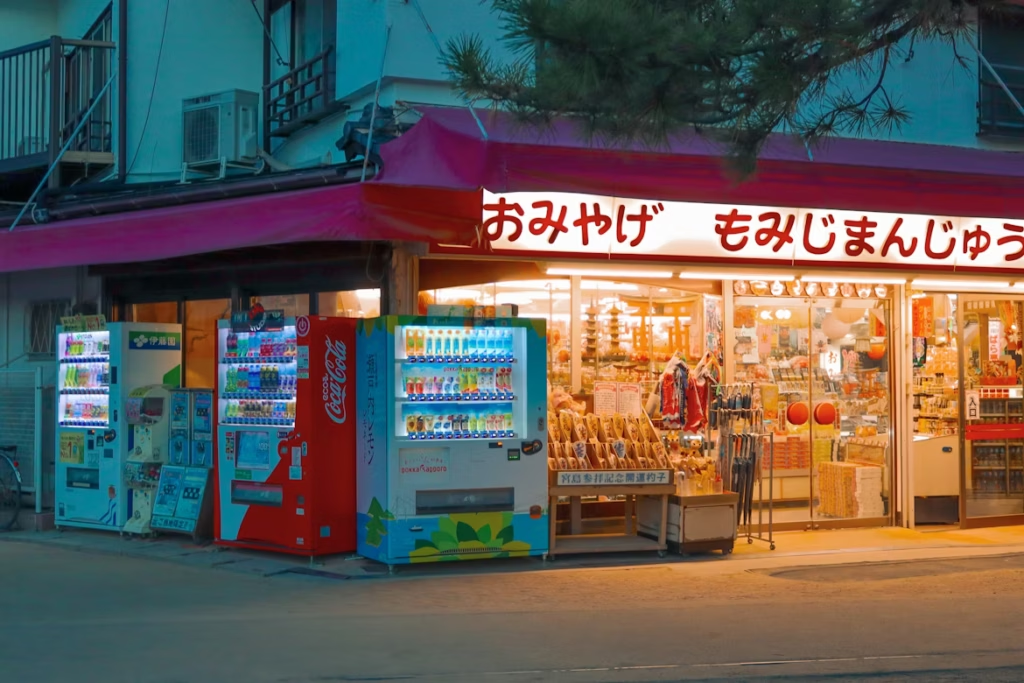
Photo by Patricia Haller-Anguela on Unsplash.